Walk East Squantum Street at seven on a summer evening and you'll notice something the map doesn't show: everyone is walking the same direction. Toward Victory Road, toward the boardwalk, toward dinner. The causeway that carries you there is the only road onto the peninsula. There is no back way, no cut-through, no second bridge. If you live in Squantum, this is the one road that gets you home too, and decades ago, the people who lived at the end of it fought hard to keep what's now at the other end of that walk from ever being built.
The Peninsula With One Door
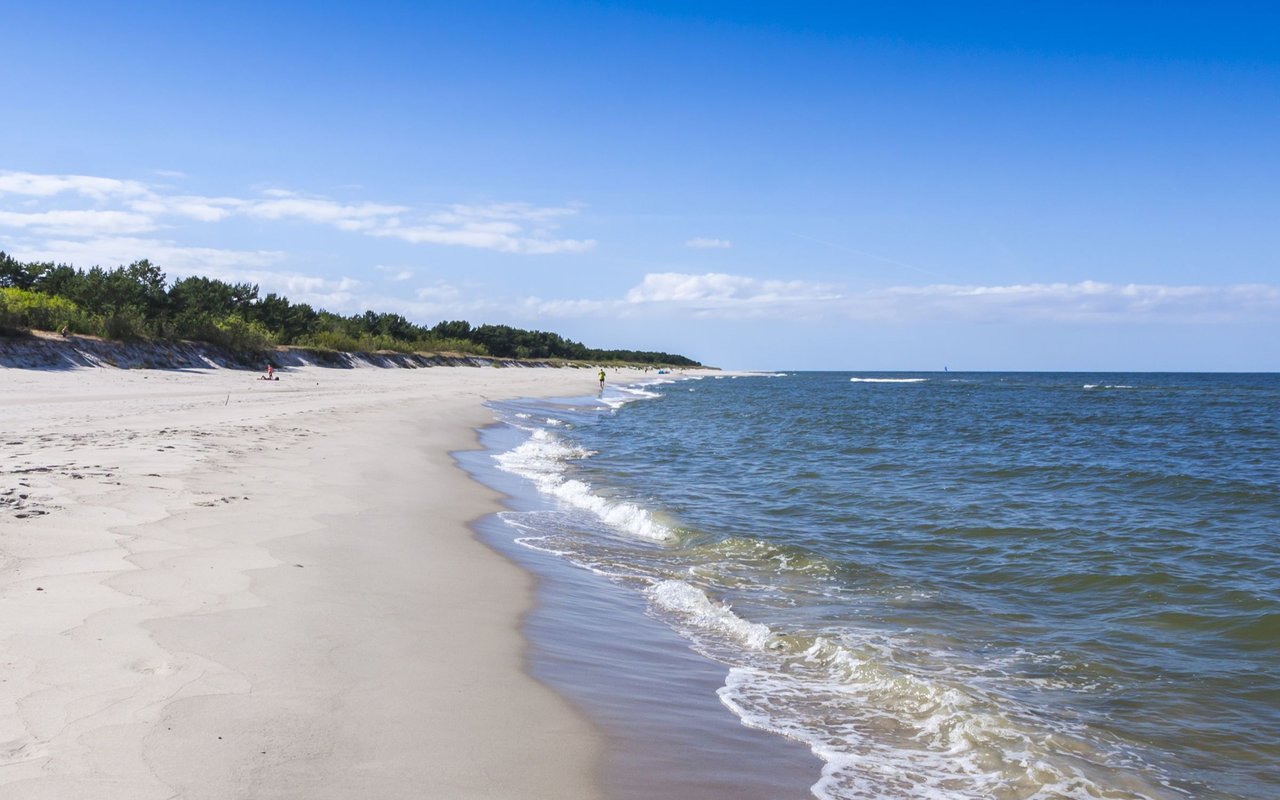
Squantum is, technically, a barrier island. It sits surrounded by water on all four sides, bordered by Dorchester Bay and Boston Harbor to the north, Moon Island and Quincy Bay to the east, Quincy Bay and North Quincy to the south, and the Marina Bay development to the west, according to Wikipedia's entry on the neighborhood. East Squantum Street becomes the causeway that carries you in from North Quincy, crossing tidal marsh before turning south at Dorchester Street into the neighborhood proper. That stretch of road is the only land access onto the peninsula. A single MBTA bus, route 211, connects the neighborhood to the Red Line at North Quincy station. There is no alternate route in a place with only one way in.
At the head of that causeway sits Moswetuset Hummock, a small hill that, by one historical account, gave the Massachusett tribe its name. In 1621, Plymouth Colony commander Myles Standish and the guide Squanto met the tribe's chief there. Long before anyone was arguing about traffic or wetlands, this was the doorway everyone used, and it still is.
The Neighbor Squantum Didn't Want
That doorway used to lead somewhere very different than it does now. From 1923 until the early 1950s, the land just west of Squantum was Naval Air Station Squantum, a training base for American and British naval aviators that also ran anti-submarine patrols during World War II. When the base closed and the Naval Air Reserve program moved to South Weymouth, the land sat idle for decades before developers moved in during the 1980s. What they built became Marina Bay, and Squantum residents did not welcome it quietly. Wikipedia's account notes that neighbors organized opposition over fears of traffic congestion, noise, and the environmental cost of filling in wetlands to make room for it.
They lost that fight, and the record of it is easy to miss now, because Marina Bay is where the peninsula eats. The boardwalk along Victory Road holds The Chantey, Victory Point, ReelHouse, Port 305, Break Rock Brewery & Taproom, and Boardwalk Pizza, all clustered within a few hundred feet of each other and all built on land that was once part of Naval Air Station Squantum. The Marina Bay Ferry launches from the free 850-space lot at Squantum Point, giving residents a way to reach the water that never touches the causeway at all.
Meanwhile, inside the line that actually is Squantum, the restaurant count is close to one. Carmine's Café has served pizza and Italian classics with outdoor seating since 1999, and it's about as close as the neighborhood gets to a dining scene of its own. Everything else you'd call your neighborhood spot, the place you walk to for a burger or a beer on a Tuesday, sits on the land your grandparents' generation tried to keep undeveloped.
Here's how the two halves actually break down:
| In Squantum proper | Next door in Marina Bay | |
|---|---|---|
| Restaurants | Carmine's Café | The Chantey, Victory Point, ReelHouse, Port 305, Break Rock Brewery, Boardwalk Pizza |
| Water access | Squantum Point Park, Nickerson Beach, Orchard Beach | Marina Bay Ferry |
| Built on | Original neighborhood streets | Former Naval Air Station Squantum land |
| Access road | East Squantum Street causeway (only land route) | Victory Road, off the same causeway |
The Building Site at the Foot of Huckins Avenue
The next major change to hit the peninsula isn't coming from outside the line this time. It's happening inside it, at 50 Huckins Avenue, where Squantum Elementary School is being rebuilt around the students still inside it.
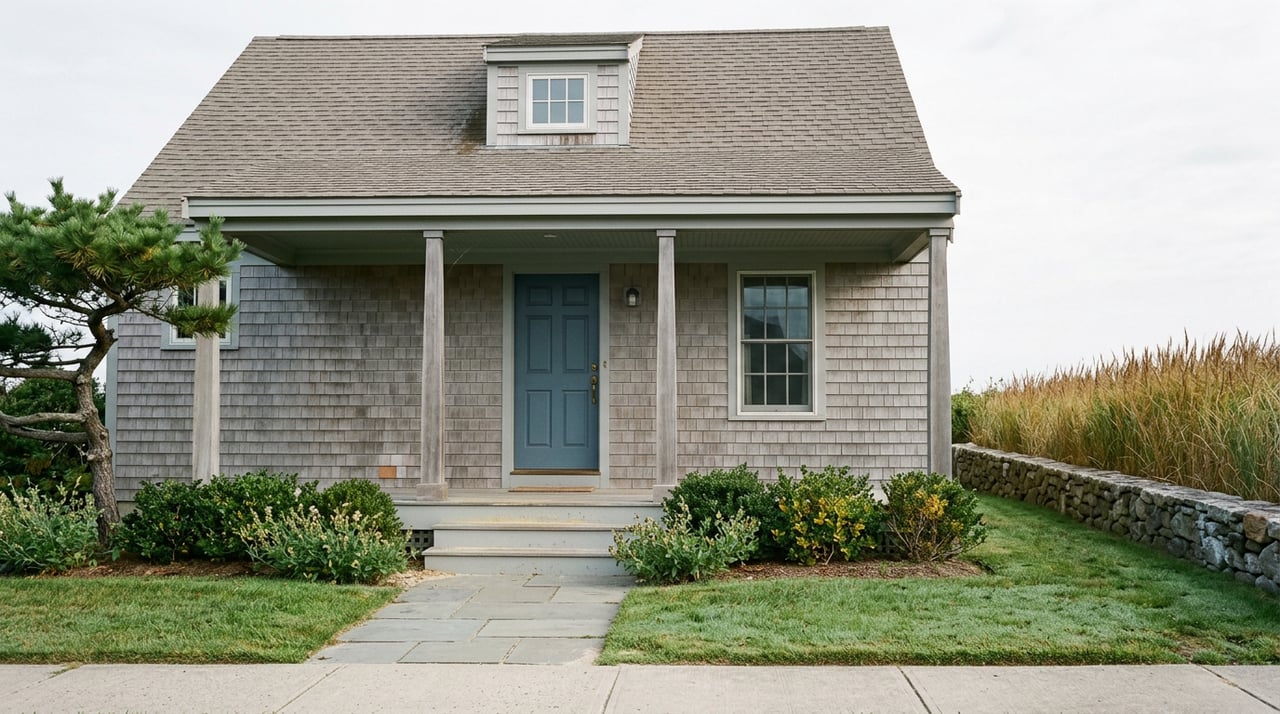
The school first opened in 1919, with additions tacked on in 1950 and 1971. The existing building runs about 45,000 square feet, well short of the roughly 80,000-square-foot, two-story building the city and the Massachusetts School Building Authority signed off on, according to architect Arrowstreet's project description. The plan preserves the 1919 building facing Huckins Avenue, including its slate roofline, while wrapping new construction around it in terracotta shingles chosen to echo the shingled homes nearby rather than read as an obviously institutional building. Two mature pin oak trees at the front of the site are being protected through construction.
Lee Kennedy Company is the contractor, and the project is designed to reach Net Zero energy performance once complete, according to a project update from the contractor. Rather than relocate students during the work, the project is using modular classrooms on the tight three-acre site so kids and staff stay put through construction. A preliminary schedule shared at a September 2023 community meeting called for construction to run from January 2026 through August 2027, followed by three to six months of closeout. If that timeline held, the neighborhood is roughly seven months into that stretch right now, with the better part of a year still to go, which means the noise, the fencing, and the shifted drop-off patterns near Huckins Avenue are likely to be part of the landscape through next summer.
It's the first ground-up change to the peninsula's built footprint since Marina Bay itself, and this time nobody outside the neighborhood gets a vote.
What's Still Actually Yours
Not everything on the peninsula runs through someone else's development plan. Squantum Point Park sits on the preserved runways of the old naval air station and Harvard Aviation Field, and it remains squarely inside the neighborhood. It's the eastern terminus of the Quincy RiverWalk, a two-mile trail that runs along the Neponset River toward the gazebo at the Adams Inn, with the Billing Creek Salt Marsh Trail running alongside it. The park is managed by the state's Department of Conservation and Recreation, and it draws birders as much as anyone. It's one of the top eBird hotspots in the Quincy area, and Mass Audubon's Boston Nature Center is running a Summer Bird Walk there on Saturday, August 22, timed to the season's first shorebird arrivals, including American Oystercatchers, Laughing Gulls, and Great Egrets. The walk follows a flat, 0.6-mile paved loop, with unpaved side trails for anyone who wants to wander further.
Two public beaches, Nickerson and Orchard, sit inside the neighborhood proper, both small and both facing the harbor. Dogs are welcome at the park on leash, and the rules ask you to clean up after them, same as anywhere. If you were on the peninsula on June 27, you likely heard PorchFest, the citywide open-porch concert series that has grown to include a substantial number of homes in Squantum and neighboring Merrymount, according to the event's own site.
None of it required anyone to fight for it, and none of it is going anywhere.
The Line Still Moves
Squantum spent decades trying to keep its edges fixed, and the edges moved anyway. The old naval base became a boardwalk and a ferry dock. The fight your neighbors' parents lost is now where you go for a Friday night out, and the school at the center of the neighborhood is remaking itself while the kids inside it never leave. A place this small doesn't get many chances to redraw itself. Right now, it's doing it twice at once, once on the far side of the causeway and once at the foot of Huckins Avenue, and the difference is that this time, the peninsula gets to watch it happen from the inside.
If you're thinking about what a home on this stretch of the causeway is actually worth, given everything happening on both sides of that line, Angela Bergin has spent more than two decades reading Quincy and the South Shore block by block. Let's Connect.