Cross into Merrymount Park from Hancock Street on a Friday afternoon this fall and you'll drive over Black's Creek without giving it much thought. The water slides under Merrymount Parkway through a culvert, the road climbs slightly, and within a hundred yards you're parking near Pageant Field for the farmers market. Most people who make that drive every week have no idea that the bridge under their tires is the only thing physically connecting two versions of this park that were never quite meant to be one place.
That distinction is about to matter, because the city has been planning to rebuild that exact bridge, and the project sits right at the seam between the park's two identities.
A Park Built From Two Different Ideas
Merrymount Park exists because Charles Francis Adams II, grandson of President John Quincy Adams, gave the city 80 acres of hilltop land overlooking Quincy Bay in 1885. Adams didn't stop at the land. He brought in his friend Frederick Law Olmsted, the landscape architect behind Central Park and much of Boston's Emerald Necklace, to help shape it. But the city didn't have the budget to carry out a full Olmsted plan. What actually got built over the following decades was something more practical: ball fields, a bandshell, tennis courts, and eventually the sand volleyball courts and picnic pavilion the city's Department of Natural Resources added at Pageant Field in the past few years.
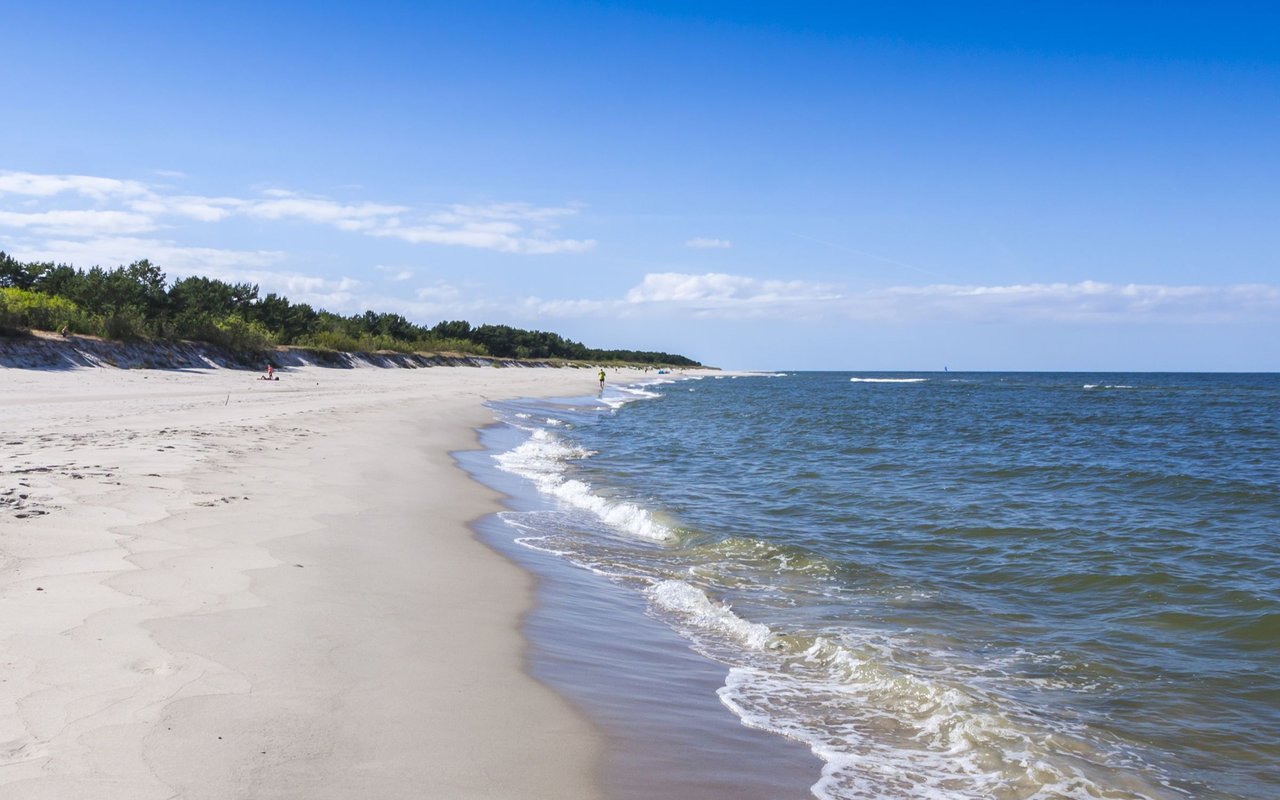
The land closest to the water never got that treatment. Black's Creek and its salt marsh stayed largely as they were, bordered by oak, pine, and pitch pine, the kind of ground Olmsted would have recognized as worth preserving rather than paving. That's the half of the park most visitors never really see, because the parking lot and the athletic fields sit on the other side of the creek from it.
Two Trails, Two Different Jobs
Merrymount Park has exactly one paved trail and exactly one dirt one, and they're not interchangeable the way a map might suggest. The paved loop is 0.4 miles, circles the developed side of the park, and connects to the ball fields, the pavilion, and the parking areas. It's the trail people use for a lap after dropping kids at practice.
The other trail is a quarter mile of nature path along Black's Creek, overlooking the salt marsh on the park's undeveloped side, according to the North and South Rivers Watershed Association, which lists the park among its regional sites. It's shorter, quieter, and closer to what Olmsted would have designed if the money had existed. Walk it and you're on the half of the park that has changed the least since 1885.
The bridge over Black's Creek is what lets you get from one trail, and one version of the park, to the other in a single visit.
The Bridge Is Getting Rebuilt, Just Not Yet
As of the city's most recent park project update in August 2026, the Merrymount Parkway Reconstruction Project is still described as planned for this year, not underway. The engineering firm Tighe and Bond, which designed the replacement bridge, has laid out what the finished project will include: a full replacement of the existing twin-barrel culvert, a new travel lane, two bike lanes, and improved sidewalks along Merrymount Parkway, which doubles as Route 3A, one of the busier truck routes through the city. In the spring of 2025, U.S. Representative Stephen Lynch's office asked Congress to help fund the bridge replacement for fiscal year 2026, citing goals that included modern traffic signals, ADA-compliant crosswalks, and better access for families with strollers.
None of that has closed the road yet. If you're driving to the market or the ball fields this fall, the bridge you're crossing is the same one that's been there for years. But the funding request and the design work are both real and both dated to this year, which means the crossing point between the park's two halves is likely to look different before too long. The city's own ten-year parks plan lists the Merrymount Parkway slope work, including a new retaining wall and replanted native trees, alongside the bridge itself, so when construction does start, expect it to touch both the road and the land around it.
October Gives the Quiet Side a Rare Spotlight
One weekend this fall, the park's less-visited half gets more attention than usual. Scouts BSA Troop 54 is hosting the Presidents Trail Camporee at Merrymount Park from October 10 through 12, an invitational event for Scouts that includes a guided tour of the President's Trail. The name isn't a coincidence. It's a nod to the same Adams family history that put this land in public hands in the first place. For a weekend, the park's oldest, quietest ground gets treated as the destination rather than the scenery you drive past on your way to the ball fields.
What's Still Running Through Thanksgiving
The Quincy Farmers Market has been operating at Pageant Field, inside Merrymount Park, since late June, and it isn't finished yet. The market traditionally runs every Friday from the last week of June through the last Friday before Thanksgiving, which puts the final market day for 2026 in late November. That's a longer season than a lot of people assume once the leaves start turning. A few things worth keeping on your radar for the rest of the fall:
- The Quincy Farmers Market at Pageant Field continues on its usual Friday schedule through the last Friday before Thanksgiving.
- The Presidents Trail Camporee runs October 10 through 12 and will bring Scout groups and a guided trail tour to the park for that weekend.
- The Merrymount Parkway bridge project remains in the planning and funding stage as of this year's most recent city update, with no construction start date confirmed yet.
- Grossman Park, the 50-acre preserve directly adjacent to Merrymount Park and given to the city by the Grossman family in the 1960s, offers another stretch of quieter ground if you want to avoid any market-day crowding at Pageant Field.
None of this changes how the park functions right now. What it does is put a date on something that's been true since 1885: the built side and the wild side of Merrymount Park have always needed a bridge to talk to each other, and this is the year the city started paying attention to that bridge.
The next time you're waiting for a parking spot near the market, take the extra five minutes and walk the Black's Creek trail instead of the paved loop. It's the part of the park closest to what Charles Francis Adams and Frederick Law Olmsted actually had in mind, and it won't look the same forever.
If you're curious what any of this means for property near the park, or you just want to talk through what's happening in the neighborhood, Angela Bergin is always up for the conversation. Let's Connect.